

 Customer certified – read our reviews
 Over 3 million customers served
 Trusted for discount pet meds since 2002
Pooches With Paunches
Posted on 24 Feb 2026 | Posted in Pet Shed Blog
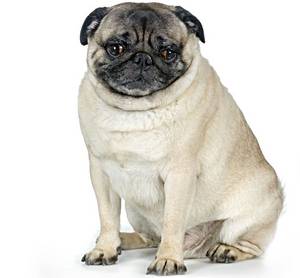
Did you know that if trends continue the way they are going, our dogs are going to be the fattest and most obese members of the family?
It's a sad indictment on modern society that the boundless energy, firm muscled bodies and playful antics of our faithful friends are quickly being replaced with clogged arteries, bulging bellies and labored wheezing and panting of four-legged fatties.
Almost one in three American adults are now considered to be obese, according to the US Department of Health and Human Services. And following this, the US canine population is following the same trend. And is it any surprise? Our doggy friends only eat what we feed them - and look at how we feed ourselves.
A study published in the International Journal of Applied Research in Veterinary Medicine, carried out in vet clinics across America, found that 34% of dogs over the age of one were considered overweight or obese! It will probably come as no surprise to the owners of Labradoror Golden Retrievers, Cocker Spaniels, Shetland Sheepdogs, Dachshunds or Rottweilersthat these breeds are more likely than most to become pudgy pooches.
With the increasing trend towards moving into apartments and homes with smaller and smaller yards, our dogs are tending to live indoors more and more. In addition, as we become more "time-poor", the traditional daily walk with the the dog has been replaced with yet more long hours at the office. What does this mean? Less exercise for Fido.
| "Yes, you did read that correctly. Just as with humans, there are now diet pills for pets." |
Many well-meaning owners try to compensate for not spending enough time with their pets by feeding them treats, which are often high in fat. Unfortunately, this is the last thing a house-bound dog needs, as the cooped-up pooches are not able to burn all of the calories they are gobbling. Just as when we eat too much, this excess is converted to 'puppy (or doggy) fat', and the poor animal suffers accordingly.
The study confirmed that overweight or obese dogs have dental disease, ruptured cruciate ligaments (often leading to osteoarthritis), diabetes mellitus, urinary tract disease, Cushings Disease (hyperadrenocorticism), an underactive thyroid gland, pancreatitis and certain types of cancer. They also have a shorter life expectancy than dogs in the healthy weight range.
What can we do to prevent this? Think of the lessons learned from the reality TV show The Biggest Loser. We need to reduce the calorie intake, feed them the right foods and increase the activity level to burn those calories!
| Fight the pooch paunch |
|
If your pet is carrying a bit of a paunch, despite all efforts to the contrary, talk to your vet. Not only can they advise you on appropriate diet and exercise regimens, but they may be able to recommend medications to aid in weight loss. Yes, you did read that correctly. Just as with humans, there are now diet pills for pets.
In Australia, an over-the-counter dietary supplement was recently released onto the market called Vet-a-Slim. This is reported to regulate the level of calories and carbohydrates absorbed by your pet's body.
This treatment is not currently available in the US, however, a prescription medication is:the FDA recently approved a new anti-obesity medication for dogs, called Slentrol, by Pfizer Animal Health. This medication contains dirolaptide, a "selective microsomal triglyceride transfer protein inhibitor"which reduces appetite and fat absorption in dogs.
However these medications should not be your first port of call. As with all drugs, they have a potential for side-effects. They should not be a standalone treatment but rather combined with an appropriate diet and exercise regime, and should only be used under the supervision of your veterinarian.